Key takeaways
- Starting with AI freelancing is achievable for beginners.
- Focus on a specific niche or skill to leverage AI tools effectively.
- AI can significantly speed up content creation and research tasks.
- Iterative refinement and learning are key to improving AI output.
It feels surreal to type this, but here it is: I made my first $100 using AI tools. As someone who was completely new to the world of AI freelancing just a few weeks ago, this felt like climbing a mountain. I’m not a tech wizard, I don’t have a computer science degree, and my previous online income experience was minimal, mostly just dabbling in surveys that paid pennies. This is my honest, beginner-friendly, AI money case study, detailing exactly how I turned a curiosity into a tangible income stream. If you’re like me, looking for a practical AI earning example that’s grounded in reality, keep reading.
The Spark of an Idea: Why AI Freelancing?
Like many, I’d been hearing the buzz around AI. Articles, social media posts, even casual conversations were filled with mentions of ChatGPT, AI art, and automation. Initially, it felt overwhelming and distant, like something for tech giants. But then I started seeing more content from people who were using AI not just as a novelty, but as a tool to create and earn. This is where the idea of a personal AI money case study began to form in my mind.
I wasn’t looking to get rich overnight. My goal was modest: to prove to myself that I, as a beginner, could leverage these tools to earn a small, supplementary income. I wanted to understand the process, identify the practical applications, and gather some genuine AI income proof to share. My focus was on lightweight freelancing, tasks that didn’t require a massive time investment or complex skill set to start.
The core questions I set out to answer were:
- Can a complete beginner actually make money with AI tools?
- What specific AI tools are most accessible for earning potential?
- What kind of services can be offered?
- What are the realistic challenges and learning curves?
My aim was to provide an AI earning example that was as transparent as possible, avoiding any hype and focusing on actionable steps.
Choosing My Tools: Less is More for Starters
When you look at the AI landscape, it’s vast and intimidating. There are tools for coding, for music generation, for complex data analysis. For my first $100 AI money case study, I knew I had to be strategic and choose tools that were:
- Beginner Friendly: Easy to learn and use without extensive technical knowledge.
- Versatile: Capable of producing output that clients might actually pay for.
- Accessible: Preferably with free tiers or affordable starting plans.
After some research, I narrowed my focus to two primary areas: AI writing and AI image generation.
For Writing: ChatGPT
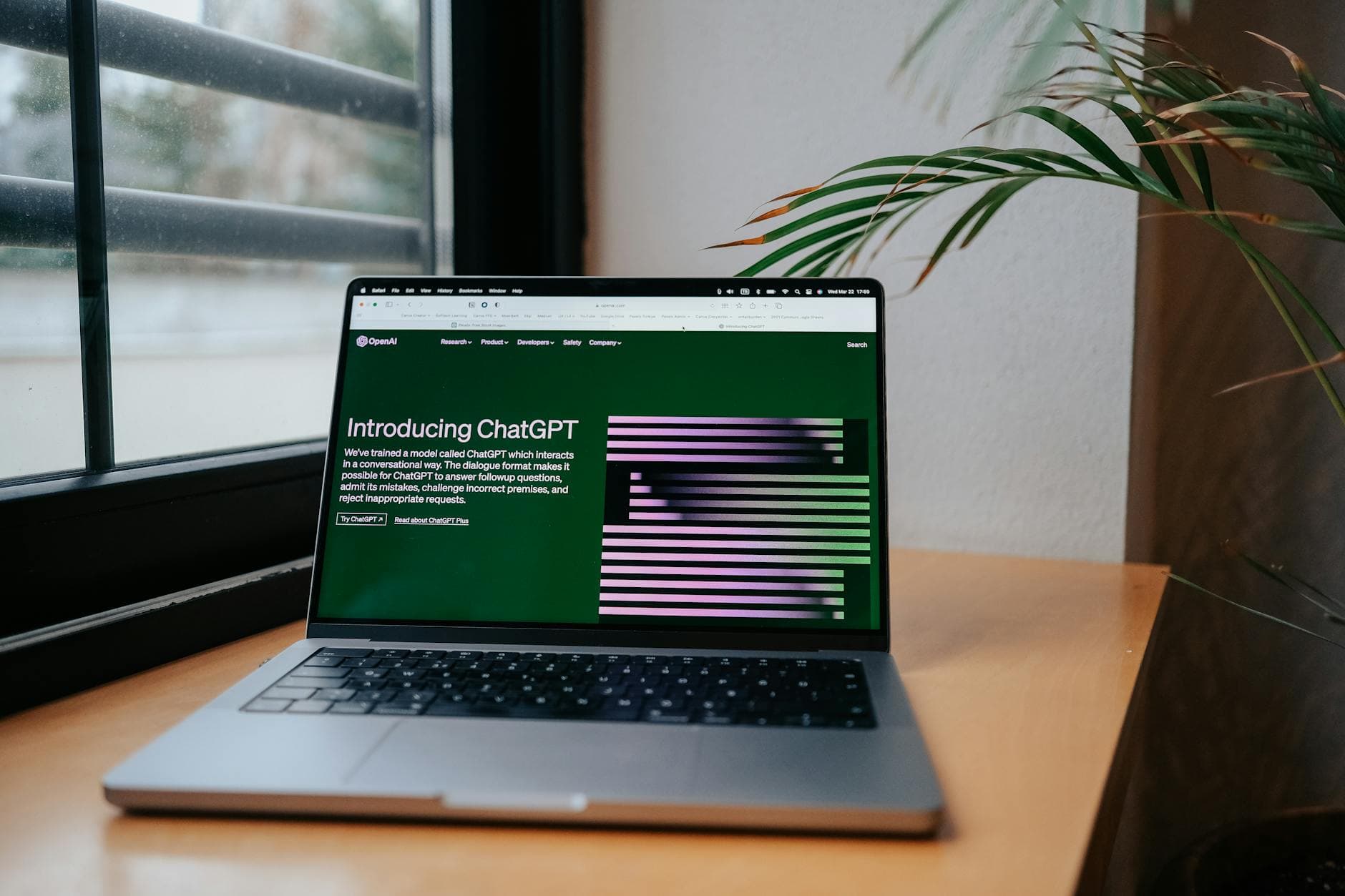
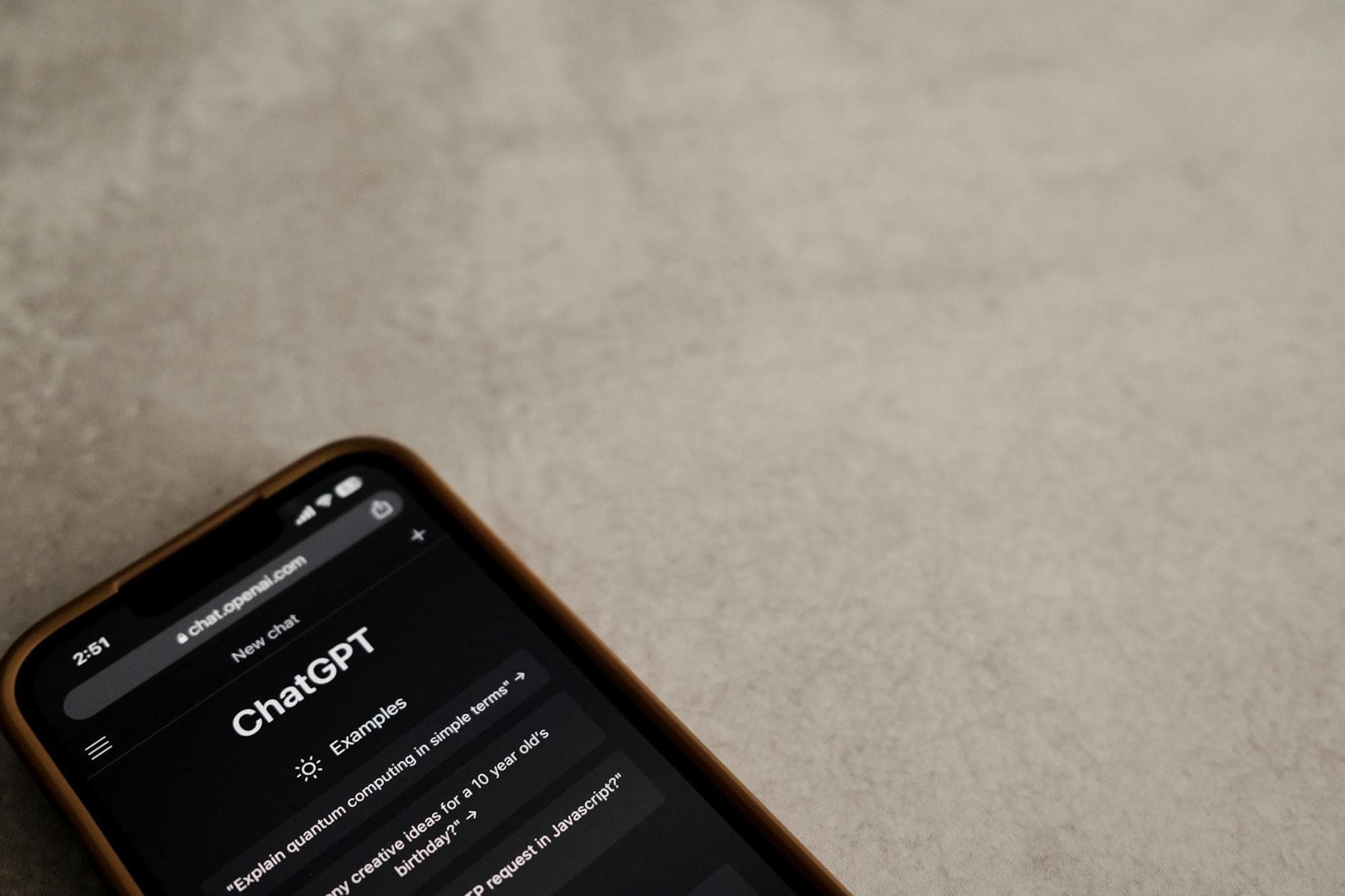
This was the obvious starting point. ChatGPT, especially its free version, is incredibly powerful for generating text. I spent a few days just experimenting with it. I learned how to craft prompts to get different tones, styles, and formats. It became clear that while ChatGPT could generate content, it wasn't a magic wand. The output often needed significant editing, fact checking, and refinement to make it sound human and original. This was my first lesson: AI is an assistant, not a replacement for human judgment and creativity.
For Images: A Combination Approach
For image generation, I explored a few options. While tools like Midjourney are incredibly powerful, they have a steeper learning curve and are subscription based. For my initial $100 goal, I opted for a slightly different path. I used simpler AI image generators that allowed for more direct control over basic elements and was very budget conscious. I also leveraged Canva’s AI features, which integrated seamlessly with my design workflow. The key here wasn't to create photorealistic masterpieces, but to generate unique, usable graphics for specific purposes, like blog post headers or social media visuals.
Supporting Tools:
- Google Docs: For writing, editing, and client collaboration.
- Canva: For basic graphic design, incorporating AI generated elements, and creating a simple portfolio.
My strategy wasn't to master every AI tool, but to become proficient enough with a few to offer a specific service. This AI earning example hinges on practicality.
Identifying a Service: Where Can AI Provide Value?
This was the crucial step. What could I offer that clients would pay for, and where could AI genuinely assist me?
-
AI Assisted Blog Post Writing: Many businesses and individuals need blog content but struggle with the time or inspiration to write it. I realized I could use ChatGPT to generate first drafts, outlines, and even research points, then spend my time refining, editing, fact checking, and adding my own voice. This significantly sped up the writing process compared to starting from scratch.
-
Social Media Content Creation: Similar to blog posts, generating engaging social media captions and ideas can be time consuming. AI could help brainstorm post ideas, write captions, and suggest relevant hashtags. I also planned to use AI generated graphics to make posts more visually appealing.
-
Basic Blog Graphics and Social Media Images: Instead of hiring a graphic designer for every small visual need, I could offer affordable, quick image creation using AI tools and Canva.
I decided to focus primarily on the AI assisted blog post writing service. It felt like the most straightforward way to leverage ChatGPT’s strengths and my own developing editing skills. The goal was to offer content that was better and faster than what clients could produce on their own, without AI, but more affordable than hiring a seasoned human writer for every piece.
The Client Hunt: Putting Myself Out There
This is often the hardest part for any freelancer, AI-assisted or not. I decided to start with freelance platforms known for connecting clients with service providers.
Platform Choice:
I chose a couple of platforms that cater to a wide range of services, including content creation. My approach was to create a compelling profile that highlighted my willingness to learn and my focus on delivering high-quality, AI-assisted content. I didn't hide the fact that I used AI; instead, I framed it as a way to offer efficiency and value.
Crafting My Profile:
My profile emphasized:
- My commitment to quality: I stated that AI was a tool to enhance my efficiency, not replace my editing and critical thinking.
- My service: Clearly defined, e.g., 'AI Assisted Blog Post Writing for Small Businesses'.
- My target audience: Small businesses, startups, bloggers who needed consistent content.
- My unique selling proposition: Faster turnaround times and competitive pricing due to AI assistance.
Bidding and Proposals:
For every job I applied for, I crafted a personalized proposal. I avoided generic templates. I would explain how I planned to use AI tools to help them achieve their content goals, mentioning my editing process and commitment to originality. I focused on understanding their needs first.
My first few days yielded very little. Lots of applications, very few responses. This was disheartening, but I reminded myself this was part of the process. It’s a common challenge in any AI money case study. Persistence was key.
Landing the First Gig: A Small But Mighty Win
After about three days of consistent searching and proposal writing, I landed my first small project. It was for a local bakery that needed three short blog posts about seasonal ingredients. The budget was $50 for all three posts.
The Process:
- Understanding the Brief: I spoke with the client to understand their brand voice, target audience, and the specific angle for each post (e.g., the benefits of strawberries in summer baking, how to use fresh apples in fall).
- AI Brainstorming and Outlining: I used ChatGPT to brainstorm angles for each post and generate a basic outline. I asked it for common customer questions related to these ingredients.
- Drafting with AI: I then used ChatGPT to write a first draft for each post, based on the outline and my input. I specified a word count of around 300 words per post and asked for a friendly, informative tone.
- Human Editing and Refinement: This was the longest part. I took the AI generated drafts and:
- Fact checked: Ensured all information about ingredients and baking was accurate.
- Refined the voice: Adjusted the tone to match the bakery’s friendly, community focused brand. I removed any overly generic AI phrasing.
- Added personality: Inserted specific examples, local references, and calls to action relevant to the bakery.
- Ensured originality: Ran the text through a plagiarism checker (many AI tools have this built-in or can be supplemented).
- SEO optimization: Incorporated keywords provided by the client.
- Adding Visuals: I used Canva to create simple featured images for each post, incorporating some AI generated graphic elements that fit the seasonal theme.
- Client Delivery: I compiled the posts in Google Docs, included the images, and sent them to the client for review.
The Outcome: The client was delighted! They loved the speed and quality. They specifically mentioned that the posts sounded authentic and helpful. This was my first real AI income proof, and it felt fantastic.
Building Momentum: The Next $50
Encouraged by the first successful project, I actively sought more work. I updated my profile to include a small mention of my successful completion of a blog post project.
I applied for another gig, this time for a startup needing website copy refresh. The budget was $50 for a landing page description and an 'About Us' section.
My Approach for Gig 2:
- Deconstruct the Request: I paid close attention to the keywords and tone the client desired for their new landing page. They wanted something professional yet approachable.
- AI for Structure and Ideas: I used ChatGPT to generate different structural approaches for the landing page and brainstormed benefit oriented phrases for their service.
- AI for Initial Content: I prompted the AI to draft paragraphs focusing on user benefits and company mission for the 'About Us' section.
- Intensive Human Polish: This was critical for website copy. I focused on clarity, conciseness, and persuasive language. I ensured every sentence contributed to the goal of attracting customers. I eliminated jargon and made sure the brand voice was consistent. I also used AI to help generate a few options for headlines, which I then refined.
- Client Approval: The client was very happy with the revised copy, noting that it was much clearer and more impactful than their previous version.
This second project brought my total earnings to $100. It took me about a week of focused effort, including job searching, client communication, and the actual work.
Lessons Learned from My First $100
This AI money case study has been an incredible learning experience. Here are the key takeaways:
-
AI is a Tool, Not a Replacement: The most important lesson is that AI tools like ChatGPT are incredibly powerful assistants. They can accelerate brainstorming, drafting, and research. However, human editing, critical thinking, fact checking, and creativity are absolutely essential to produce high quality, client ready work. My $100 was earned not just by prompting AI, but by my skill in refining its output.
-
Focus and Specialization Pay Off: Instead of trying to do everything, focusing on a specific service like AI assisted blog writing allowed me to build a process and understand client needs better. Trying to be an expert in every AI application would have been overwhelming.
-
Transparency Builds Trust: I chose to be upfront about using AI. Framing it as a way to deliver value faster and more affordably, rather than a secret weapon, helped build trust with clients.
-
Client Communication is Paramount: Understanding the client's brief thoroughly, asking clarifying questions, and delivering on time are non negotiable aspects of freelancing, AI or not.
-
Persistence is Non-Negotiable: The freelance job market can be competitive. There will be rejections and periods of quiet. The key is to keep applying, keep refining your proposals, and keep learning.
-
The Value is in the Human Element: Clients aren't just paying for text or images; they're paying for a solution to their problem. My role as an editor, strategist, and communicator was as vital as the AI’s role in generating initial content. This AI earning example wouldn't exist without that human layer.
-
AI Tools Improve with Skillful Prompting: Learning how to write effective prompts is a skill in itself. Spending time experimenting with different phrasing and instructions with AI tools is crucial for getting better results.
FAQ
Q: Is it realistic for a beginner to make money with AI tools?
A: Yes, it's absolutely realistic. This case study demonstrates how a complete beginner, by focusing on specific AI applications and consistent effort, can achieve initial financial success. The key is to start small, learn iteratively, and focus on providing value.
Q: What kind of AI tools are best for beginners wanting to earn money?
A: For beginners, tools focused on content generation (like text and image creation) are often the most accessible. Platforms like ChatGPT for writing and simple AI image generators can be used for tasks like blog posts, social media content, or basic graphic design elements. The trick is to combine these with your own editing and creative input.
Q: How long does it typically take to earn the first $100 with AI freelancing?
A: The timeline varies greatly depending on the effort invested, the niche chosen, client acquisition speed, and the complexity of the tasks. This case study highlights one individual's experience, which could take a few days to a couple of weeks. Consistency and active client outreach are more important than speed.
Q: Do I need to be an expert in AI to use these tools for making money?
A: No, you don't need to be an AI expert. Most beginner friendly AI tools have intuitive interfaces. Your expertise will come from understanding how to prompt them effectively, edit and refine their output, and apply it to solve client problems. It's about learning to be a good AI collaborator.
The Road Ahead
Making my first $100 with AI tools was more than just a financial milestone; it was a validation of the potential that lies within these emerging technologies for everyday individuals. This AI money case study is just the beginning. I plan to continue honing my skills, exploring more advanced prompting techniques, and potentially expanding my service offerings. The goal is to build a sustainable freelance business by ethically and effectively integrating AI into my workflow.
If you’ve been on the fence about exploring AI for income, I hope this AI earning example provides the push you need. Start small, learn by doing, and focus on delivering value. Your first $100 is waiting.
Frequently Asked Questions
Is it realistic for a beginner to make money with AI tools?
Yes, it's absolutely realistic. This case study demonstrates how a complete beginner, by focusing on specific AI applications and consistent effort, can achieve initial financial success. The key is to start small, learn iteratively, and focus on providing value.
What kind of AI tools are best for beginners wanting to earn money?
For beginners, tools focused on content generation (like text and image creation) are often the most accessible. Platforms like ChatGPT for writing and simple AI image generators can be used for tasks like blog posts, social media content, or basic graphic design elements. The trick is to combine these with your own editing and creative input.
How long does it typically take to earn the first $100 with AI freelancing?
The timeline varies greatly depending on the effort invested, the niche chosen, client acquisition speed, and the complexity of the tasks. This case study highlights one individual's experience, which could take a few days to a couple of weeks. Consistency and active client outreach are more important than speed.
Do I need to be an expert in AI to use these tools for making money?
No, you don't need to be an AI expert. Most beginner friendly AI tools have intuitive interfaces. Your expertise will come from understanding how to prompt them effectively, edit and refine their output, and apply it to solve client problems. It's about learning to be a good AI collaborator.

PromptEarn Weekly
Turn these ideas into a simple weekly execution system
Get one practical AI income idea, one tool recommendation, and one workflow worth testing.
Recommended next step
Build your first lean AI stack
Before you chase more complexity, choose one writing tool, one design tool, and one distribution channel. The beginner stack matters because it shapes your habits.
FAQ
Is it realistic for a beginner to make money with AI tools?
Yes, it's absolutely realistic. This case study demonstrates how a complete beginner, by focusing on specific AI applications and consistent effort, can achieve initial financial success. The key is to start small, learn iteratively, and focus on providing value.
What kind of AI tools are best for beginners wanting to earn money?
For beginners, tools focused on content generation (like text and image creation) are often the most accessible. Platforms like ChatGPT for writing and simple AI image generators can be used for tasks like blog posts, social media content, or basic graphic design elements. The trick is to combine these with your own editing and creative input.
How long does it typically take to earn the first $100 with AI freelancing?
The timeline varies greatly depending on the effort invested, the niche chosen, client acquisition speed, and the complexity of the tasks. This case study highlights one individual's experience, which could take a few days to a couple of weeks. Consistency and active client outreach are more important than speed.
Do I need to be an expert in AI to use these tools for making money?
No, you don't need to be an AI expert. Most beginner friendly AI tools have intuitive interfaces. Your expertise will come from understanding how to prompt them effectively, edit and refine their output, and apply it to solve client problems. It's about learning to be a good AI collaborator.
Tools mentioned
Search intent
What this guide targets
Primary keyword: AI money case study
Intent: informational
Monetization angle: Connect the article to PromptEarn tool pages, AI tool recommendations, and beginner workflow content.
Continue this topic
make money
How to Make Money with AI in 2026 (Beginner Step-by-Step Guide)
Discover actionable strategies and beginner friendly AI tools to start generating income online in 2026. This...
Read guide
freelancing
How to Package an AI Micro-Service for First Clients
The fastest way to validate AI skills is usually a narrow service with a visible output. This guide shows how to...
Read guide
content creation
A Prompt Pack Business for Beginners Without the Usual Hype
Most prompt packs fail because they are too broad. This guide shows how beginners can build a tighter prompt...
Read guide
Authority links
Inline newsletter CTA
Want more practical AI income systems?
Join readers using PromptEarn to find one useful idea, workflow, or tool recommendation every week.
Yasiru Nisal
Founder, PromptEarn
Yasiru helps beginners turn AI into practical publishing systems, lightweight offers, and realistic online income workflows.